News
Hydrogen production begins at photocatalytic water-splitting plant in South Australia
Fortescue-backed startup Sparc Hydrogen has begun producing hydrogen at its pilot photocatalytic water-splitting plant in South Australia. The facility, located at the University of Adelaide’s Roseworthy campus, has achieved its first sustained hydrogen generation.
The Roseworthy site uses a photocatalytic water-splitting (PWS) process that channels solar energy directly into splitting water molecules—without the need for electricity or electrolyzers. Backed by Fortescue and Sparc Technologies, the project is seen as a potential path to low-cost, distributed green hydrogen. The team is now planning to test performance across different light intensities, temperatures, and pressures to assess durability and efficiency. No production volumes have yet been released.
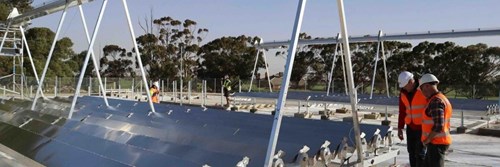
“Sustained hydrogen generation at Roseworthy is a significant milestone for Sparc Hydrogen and the broader green hydrogen and photocatalytic water splitting industries,” said Sparc Technologies Managing Director Nick O’Loughlin, calling the commissioning the result of more than a year’s effort.
Sparc’s pilot uses advanced photocatalyst materials supplied by Japan’s Shinshu University, with plans to expand testing with other partners. While the process could eliminate the electricity-related costs that hamper traditional electrolysis, critics warn of durability issues and separation challenges tied to catalyst degradation and gas purity. Still, Sparc Hydrogen believes its technology—being scalable and decentralized—could unlock affordable hydrogen without the infrastructure burden of high-voltage renewables or grid ties.
From The Archives
Connect with H2Tech