News
Syntholene produces first 500 kg of hydrogen at Húsavík demonstration facility
Syntholene Energy Corp. has successfully produced its first 500 kilograms (kg) of green electrolytic hydrogen at its geothermally-integrated solid oxide electrolyzer cell (SOEC) demonstration facility in Húsavík, Iceland.
“We are actively producing hydrogen, today,” stated Dan Sutton, Chief Executive Officer of Syntholene. “Production from Syntholene’s thermally integrated SOEC system demonstrates that the facility is operating as designed. With commissioning now complete, our focus shifts toward extended effects testing and independent validation of system performance over the coming months.”
Initial analytical testing at the demonstration facility indicates hydrogen purity above 99.9%, consistent with anticipated system performance. Hydrogen is the dominant cost driver of synthetic aviation fuel production (IEA) and producing it at low cost is central to achieving cost competitive synthetic fuels.
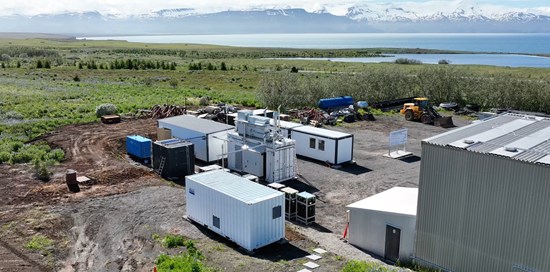
Based on preliminary operational data collected at the Demonstration Facility to date, the Company believes stack and overall system electrical performance are tracking in line with the equipment manufacturer’s factory specifications, including stack electrical consumption of approximately 33.5 kWh/kg H₂ and overall system electrical consumption of approximately 37.8–40.0 kWh/kg H₂. These preliminary observations and estimates remain subject to continued operational testing and independent third-party validation. Green electrolytic hydrogen refers to hydrogen produced through the electrolysis of water using renewable or other non-fossil electricity, with minimal direct greenhouse gas emissions associated with the production process.
This production milestone marks the successful commencement of integrated operations following completion of construction and commissioning of the company’s demonstration facility. Initial operating results indicate that major process systems are performing in line with design expectations, including successful thermal integration between the geothermal heat source and the SOEC hydrogen production system.
The company has commenced continuous operational testing of the demonstration facility, including evaluation of stack performance, system efficiency, thermal integration, reliability, and operating economics under sustained operating conditions. Data generated during the testing campaign is expected to support future engineering optimization, commercial project development, financing initiatives, and strategic partnerships. Syntholene continues to target publication of independently validated performance data from a full effects test campaign in Q42026.
The demonstration facility has been designed to evaluate the integration of geothermal heat with high-temperature electrolysis as a pathway toward low-cost hydrogen production for synthetic fuel manufacturing.
From The Archives
Connect with H2Tech